The filter type, its clean starting pressure, and changes in flow tell a more useful story than a one-size-fits-all cleaning calendar.
Identify the filter before planning the work
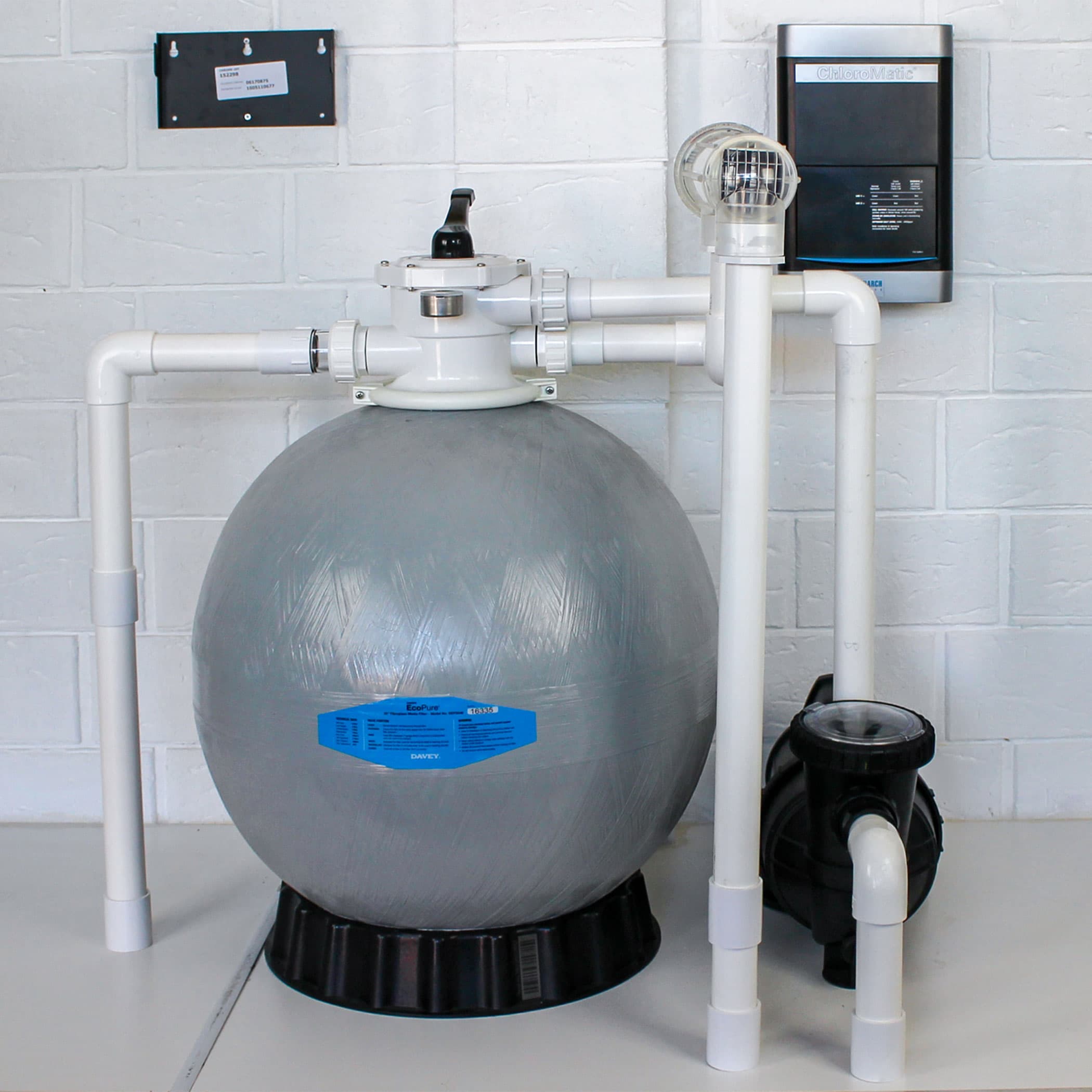
Photograph the model label and write down the filter type. Cartridge filters use removable elements; sand filters use a granular medium; DE filters use diatomaceous earth as part of their filtration system. Their cleaning and media requirements differ.
Jandy's filter overview explains the differences, including that cartridge filters do not use a routine backwash cycle. If you have just moved into the property, ask the service provider to identify the equipment before buying supplies or operating an unfamiliar valve.
Record a baseline that you can actually compare
Ask for the pressure reading after proper cleaning and startup, along with the pump speed and operating mode. A reading taken at one speed should not be treated as equivalent to a reading taken at another.
For example, Pentair's Clean & Clear Plus guide calls for cleaning at approximately 10 psi above its original starting pressure or when significant flow reduction is noticed. That is a model-specific instruction, not a universal pressure limit for every pool filter.
Source: Pentair: Clean & Clear Plus cartridge cleaning guide.
Use the calendar to prompt a check
A reminder is useful for reviewing the filter record, but the pool does not accumulate debris on a fixed calendar. Note unusual wind, landscape work, heavy swimming activity, or a change in the cleaner's performance so the provider can decide whether an earlier inspection is appropriate.
Keep the last service date, the result, and any parts or media used in the record. This helps distinguish routine cleaning from a recurring concern that needs a separate evaluation. A photo of the gauge, taken safely from the side, can support that conversation.
Treat pressurized equipment as service work
A filter tank can contain hazardous pressure. Never loosen a clamp or open a lid while the system is pressurized, and do not assume switching the app off makes service safe. Pentair's guide requires proper isolation, pressure relief, assembly, and restart procedures.
If you are unfamiliar with the exact process, arrange professional service. Visible leakage at a tank or clamp, damaged components, or a gauge that seems unreliable deserves attention rather than repeated tightening or an improvised repair.
Source: Pentair: Clean & Clear Plus cartridge cleaning guide.
Ask what is included in filter care
When comparing maintenance plans, ask whether filter inspection, deep cleaning, replacement elements, and any required media are included or quoted separately. Also ask how the clean-pressure baseline and any observations will be reported.
JB Pools can review filter-care needs as part of a pool service request. Send the model, last known cleaning date, and the change you noticed. We will discuss scope and availability for your address before a visit is confirmed.
- Filter make, model, and type
- Clean pressure with the corresponding pump speed
- Current reading under the same conditions
- Last cleaning date and service notes
- Any visible leak, alert, or reduction in flow
Common questions
Should every pool filter be cleaned monthly?
No single interval suits every installation. The equipment manual, baseline pressure, flow, and pool conditions should guide the plan. Use reminders to check the condition rather than assume cleaning is always due.
Can I backwash a cartridge filter?
A typical cartridge filter is serviced by cleaning its elements according to its manual, rather than using the backwash procedure of a sand or DE system. Identify your exact model first.