Cloudiness is a symptom with several possible causes. Start with visibility, measured water results, and a record of recent changes before selecting a treatment.
Start with whether the pool should be used
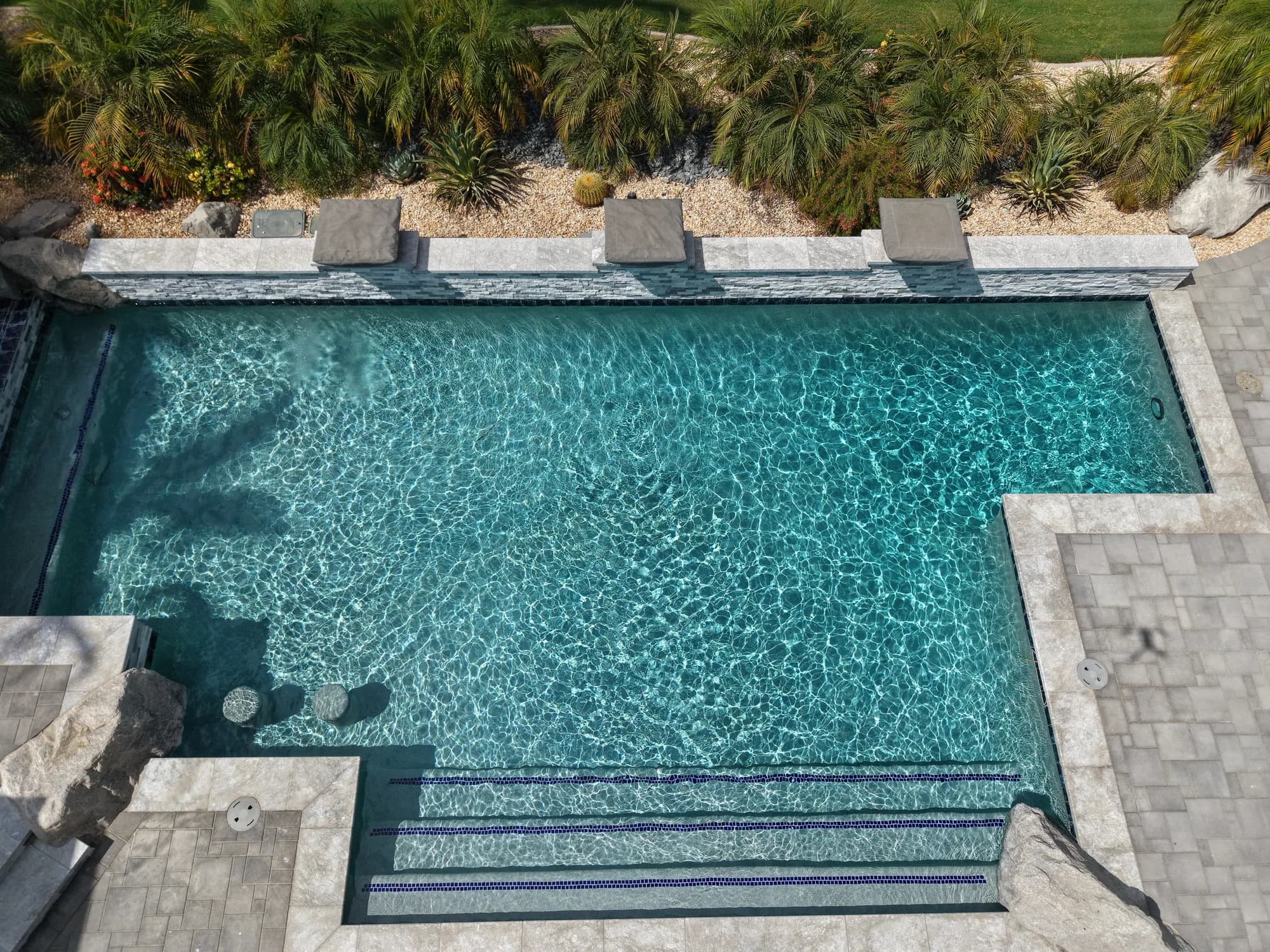
If you cannot clearly see the bottom at the deepest point, stop swimming and have the condition assessed. The Pool Water Treatment Advisory Group identifies visibility as a first decision when evaluating cloudy water. Do not treat the issue as purely cosmetic.
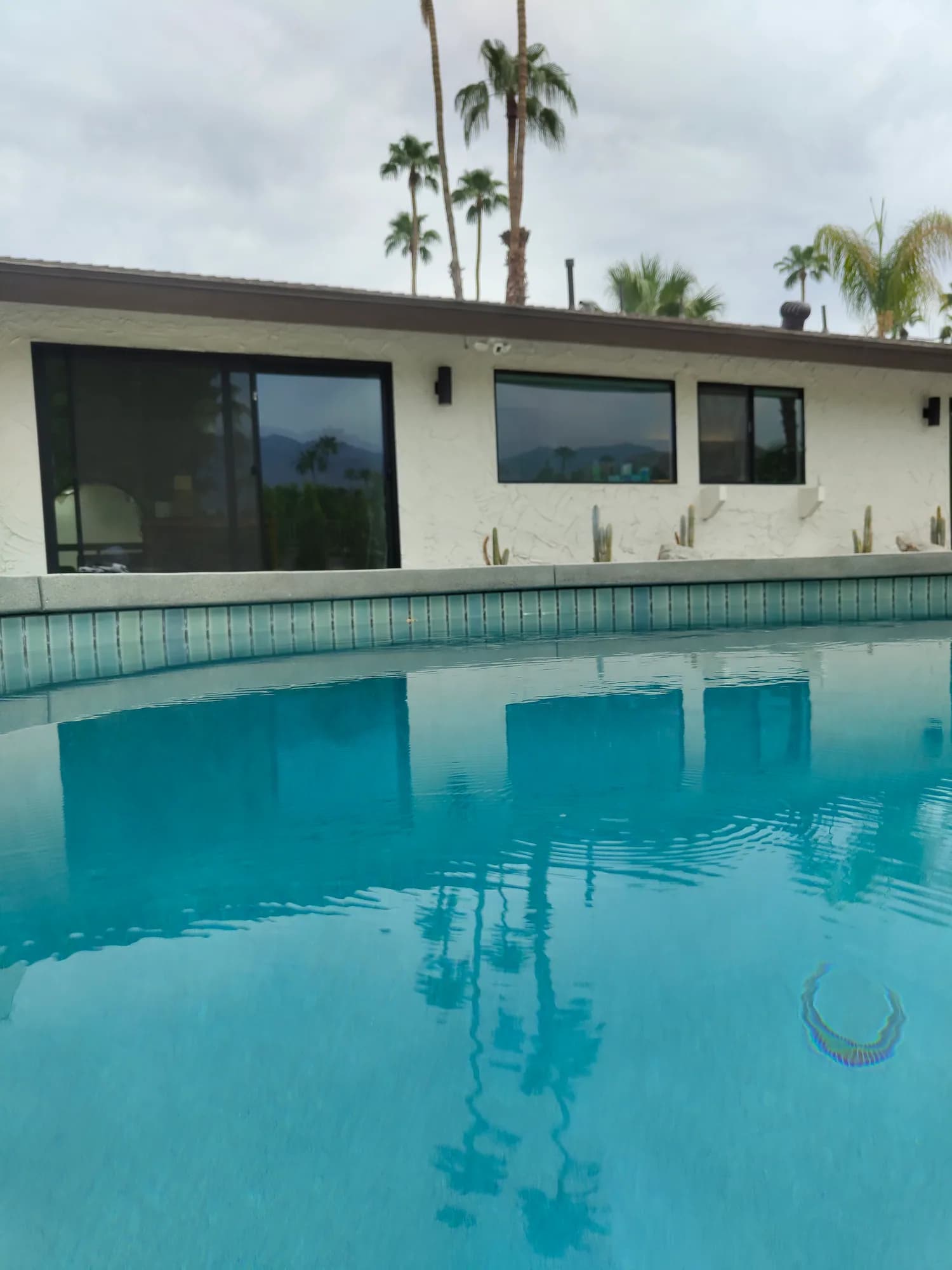
Take a photo from the deck and note when you first noticed the change. Keep people out while the cause and water condition are being addressed. A promise that a product will clear the pool by the weekend is not evidence that the water is suitable.
Source: PWTAG: cloudy water, visibility and possible causes.
Collect a test result instead of choosing a product by color
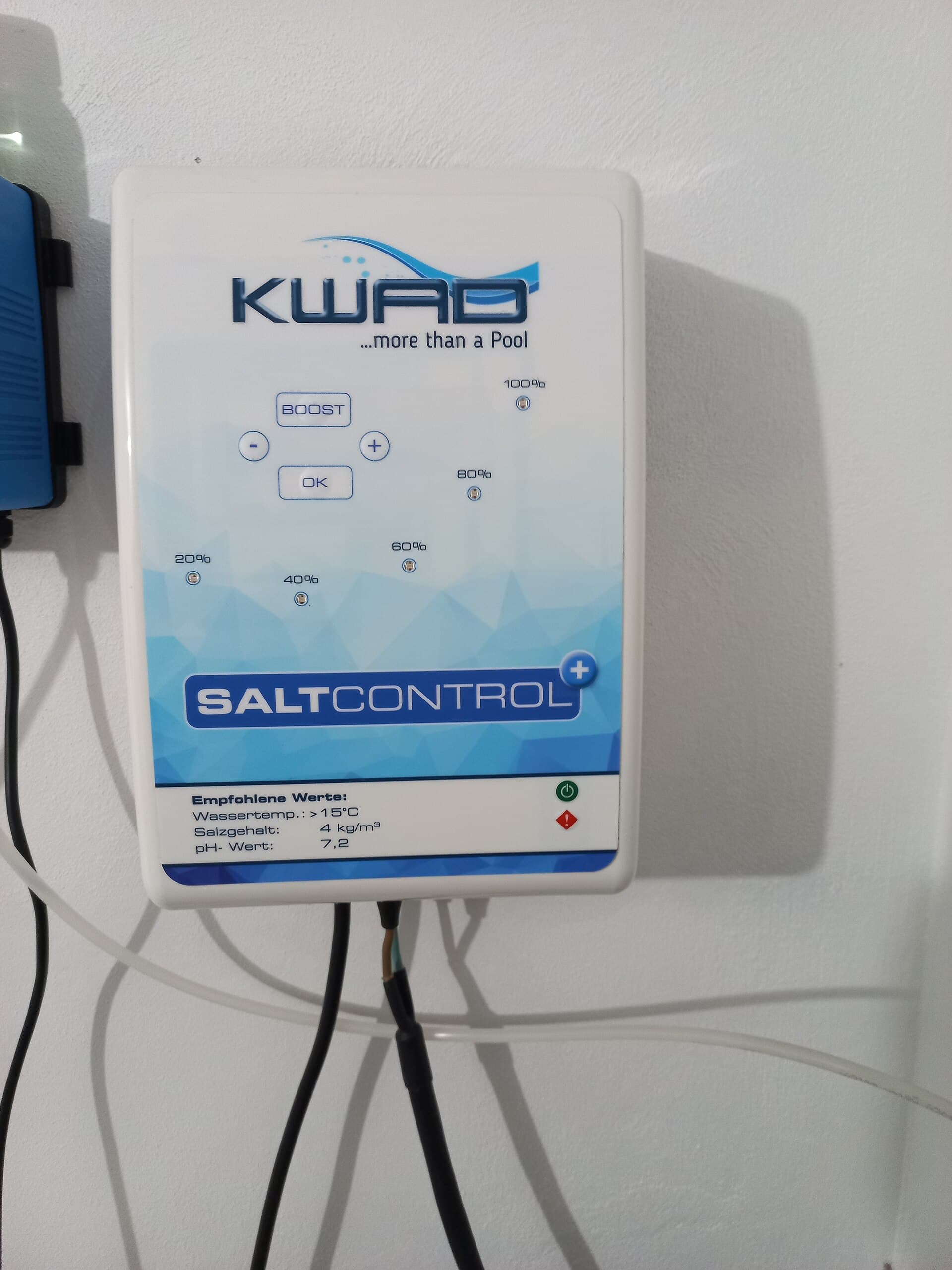
Record actual water measurements, including free chlorine and pH, with the test date and method. A service provider may also need alkalinity, calcium hardness, stabilizer, or other information depending on the pool. A salt reading alone cannot answer the water-care question.
Follow the test-kit directions and report the numbers as measured. If a result appears outside the kit's range or is difficult to interpret, say so. That is more useful than labeling everything 'normal' and leaving out the underlying readings.
Build a short timeline of recent changes
Cloudiness after a busy swimming weekend, a long power interruption, filter work, or a chemical addition creates different questions. List what happened and when. Include the exact product and amount if something was added, without adding more just to see what happens.
PWTAG describes several possible contributors, including disinfection or circulation problems, air, and mineral precipitation. The appearance alone does not distinguish them reliably. Your timeline helps narrow the assessment without making a diagnosis from a photograph.
Report what the equipment is doing
From a safe position, note any alerts, unusual sound, visible leak, or change in return flow. Record the filter pressure with the current pump speed if you have that information. Do not open a pressurized filter or electrical enclosure to investigate.
Tell the provider whether a cleaner is operating normally and whether the pool has recently had heavy dust or debris. Keep filtration observations separate from water-test results so both can be reviewed. Running a pump longer does not, by itself, identify or resolve every cause of cloudiness.
Agree on treatment and follow-up measurements
Ask what findings support the proposed action, what follow-up checks are needed, and how swimming readiness will be established. Avoid mixing chemicals or combining treatments without a clear, label-compliant plan. A fixed recovery time cannot be promised without understanding the condition.
JB Pools can review a water-care or equipment-check request for your Coachella Valley pool. Send your city, test results, photographs, and timeline. The service team will discuss the appropriate next step, scope, and availability before scheduling.
- First day the water looked different
- Current visibility and water-test results
- Recent swimming, weather, or refilling
- Any chemical products already added
- Equipment alerts and filter observations
Common questions
Should I add more chlorine every time water looks cloudy?
Test and identify the cause first. A treatment plan depends on measured water conditions and how the circulation system is working. More of one product is not a diagnosis.
How quickly will a cloudy pool clear?
Timing depends on the cause, equipment condition, and treatment plan. Ask for follow-up measurements and a readiness assessment rather than relying on a guaranteed number of hours.
Ready for the next step?