
After a windy day, start with the condition of the pool and equipment. A short observation and cleanup plan helps you decide what can wait and what needs attention.
Look at the whole property before starting
Check for unstable objects, broken glass, fallen branches, damaged equipment, or electrical concerns before approaching the pool. Floodwater or storm-damaged electrical equipment requires professional assessment; an ordinary dust-cleanup routine is not appropriate for that situation.
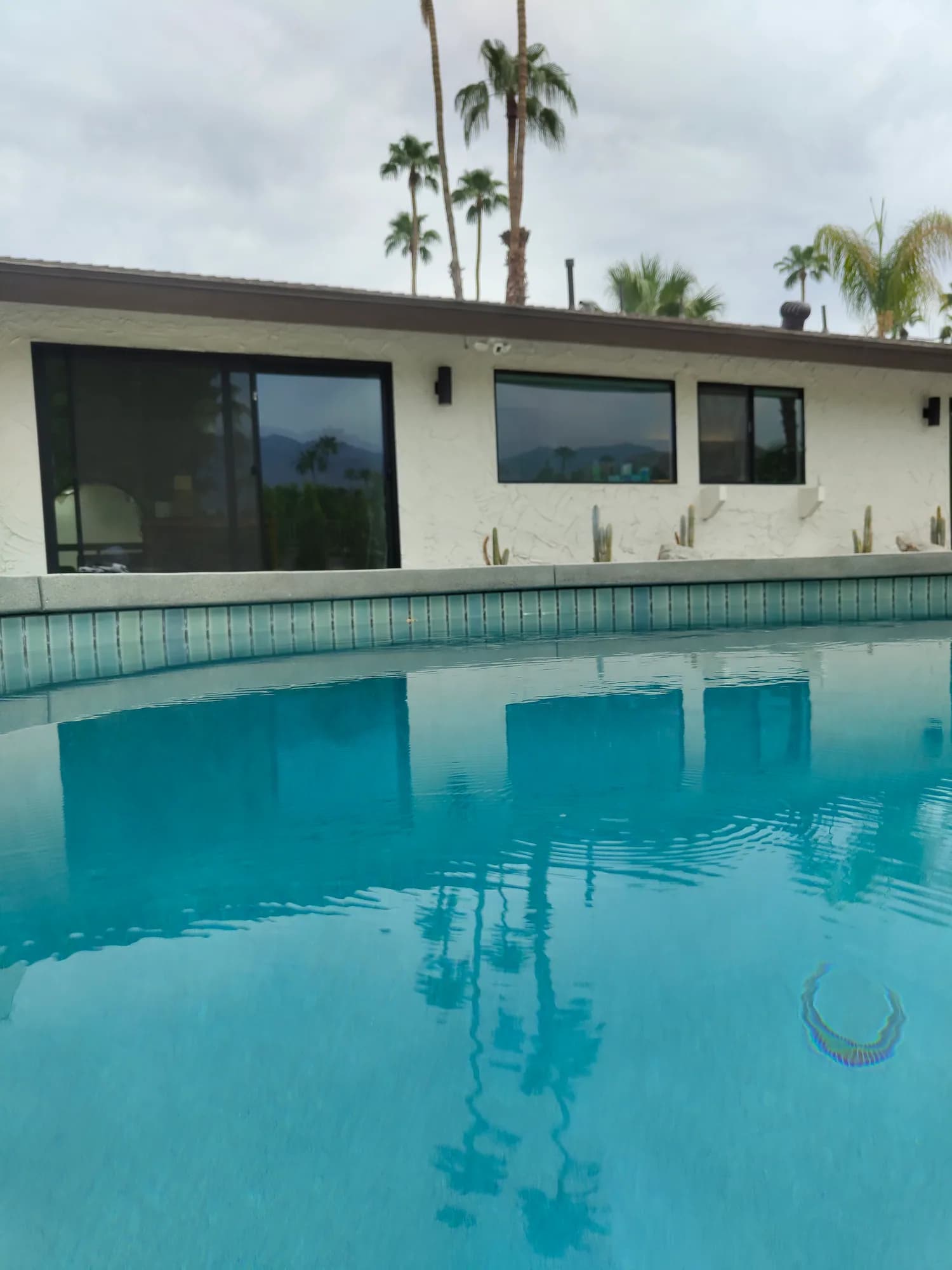
Take a wide photo of the pool and a closer photo of the debris. Note whether the material is mostly on the surface, settled on the floor, or suspended in the water. That helps explain what changed without guessing the cause from a single image.
Source: Pentair: assessing and cleaning a pool after a storm.
Choose a cleanup method for the actual debris
Use a suitable net for accessible surface debris and ask how settled material should be removed with your pool's equipment. Large objects, heavy sediment, and fine dust are different cleanup problems. Check the cleaner's manual before asking a device to collect material it was not designed to handle.
Do not sweep deck dirt into the water or direct a blower toward the pool. Keep landscape cleanup and pool cleanup coordinated so one task does not undo the other. For recurring debris, photograph the likely source and discuss a practical prevention step with the person maintaining the yard.
Recheck the water and filter record
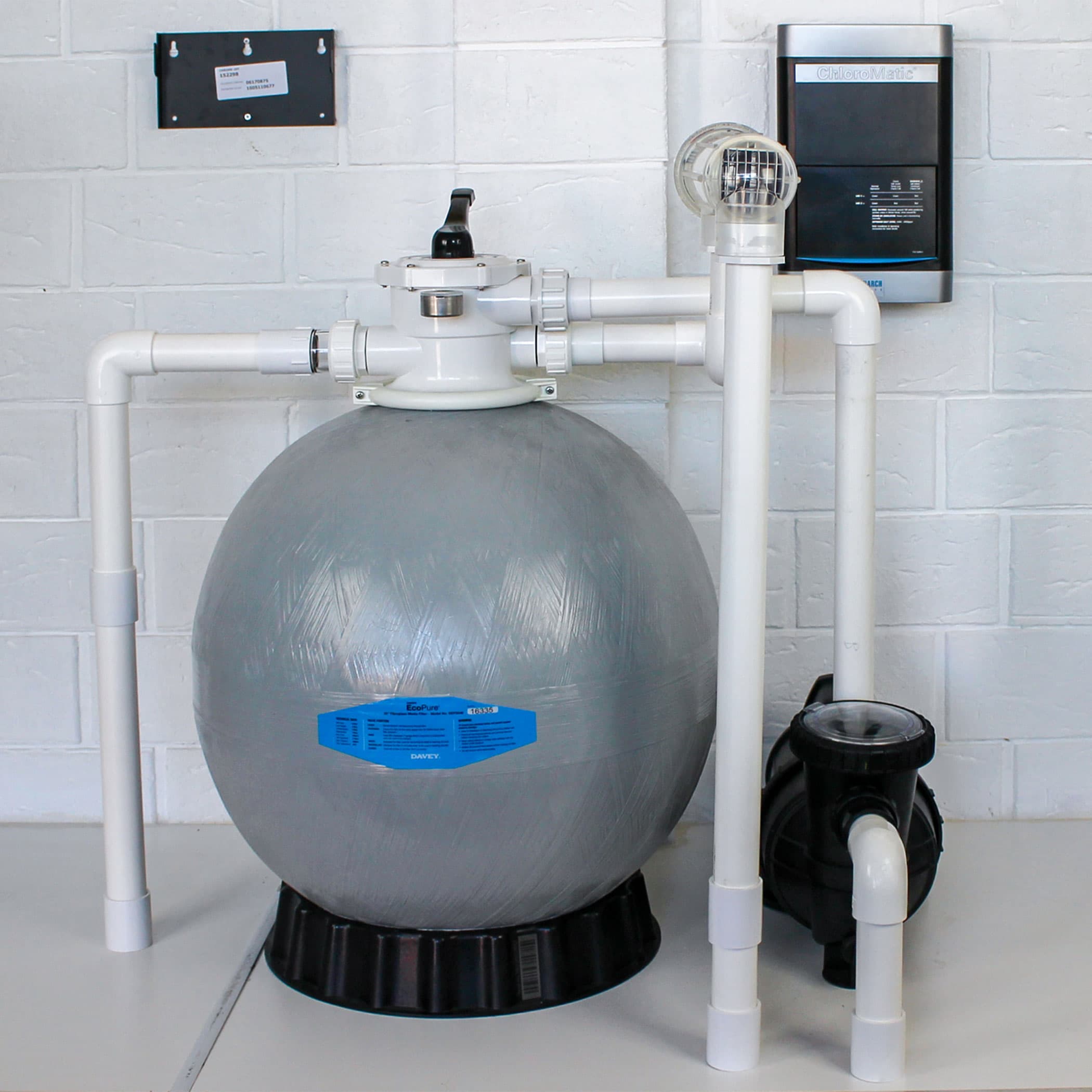
Record water-test results and the filter reading under the usual operating conditions. Share any change in flow or equipment behavior with your service provider. Clearing the surface is useful, but it does not establish the condition of the water or filter.
If water remains cloudy, use a broader assessment rather than automatically adding a clarifier or increasing a salt-system setting. Keep the pool out of use if visibility or water conditions are unsuitable. Avoid adding several products at once and losing track of what has changed.
Make the desert location part of the conversation
A wind-exposed Joshua Tree backyard and a sheltered Palm Springs courtyard may collect debris differently. Describe your pool's surroundings: open land, nearby trees, active landscaping, or construction. Use what you observe at the property to plan follow-up checks.
For a Yucca Valley or other seasonal home, identify who can look at the pool after weather changes while you are away. Give them a short observation list and the service contact. They should not need to open equipment or alter unfamiliar settings to provide a useful report.
Ask for a defined follow-up plan
Send JB Pools your city, photographs, recent test results, and a description of the material in the water. Ask whether the situation fits routine cleaning or needs a separate assessment. Additional cleanup and any equipment work should have an agreed scope.
After the immediate cleanup, keep a note of whether the same material returns. A recurring pattern is worth discussing with both the pool and landscape providers so the next visit can address the right problem.
- When the wind or debris appeared
- What is floating, settled, or suspended
- Whether the pool bottom is clearly visible
- Current test results and filter observations
- Access information and the person available on site
Common questions
Can I just run the cleaner longer after a dust storm?
First identify the debris and check the cleaner's instructions. More runtime alone does not establish that the equipment is suitable for heavy sediment or that the water is ready for swimming.
Does clear water after skimming mean the pool is ready?
Appearance alone does not confirm water quality. Keep water testing and equipment observations in the cleanup plan, and resolve unsuitable conditions before swimming.
Ready for the next step?