An overlay decision starts below the finish. Record cracks, changes in level and previous repairs before deciding how to refresh the surface.
Document the pattern, not just one close-up
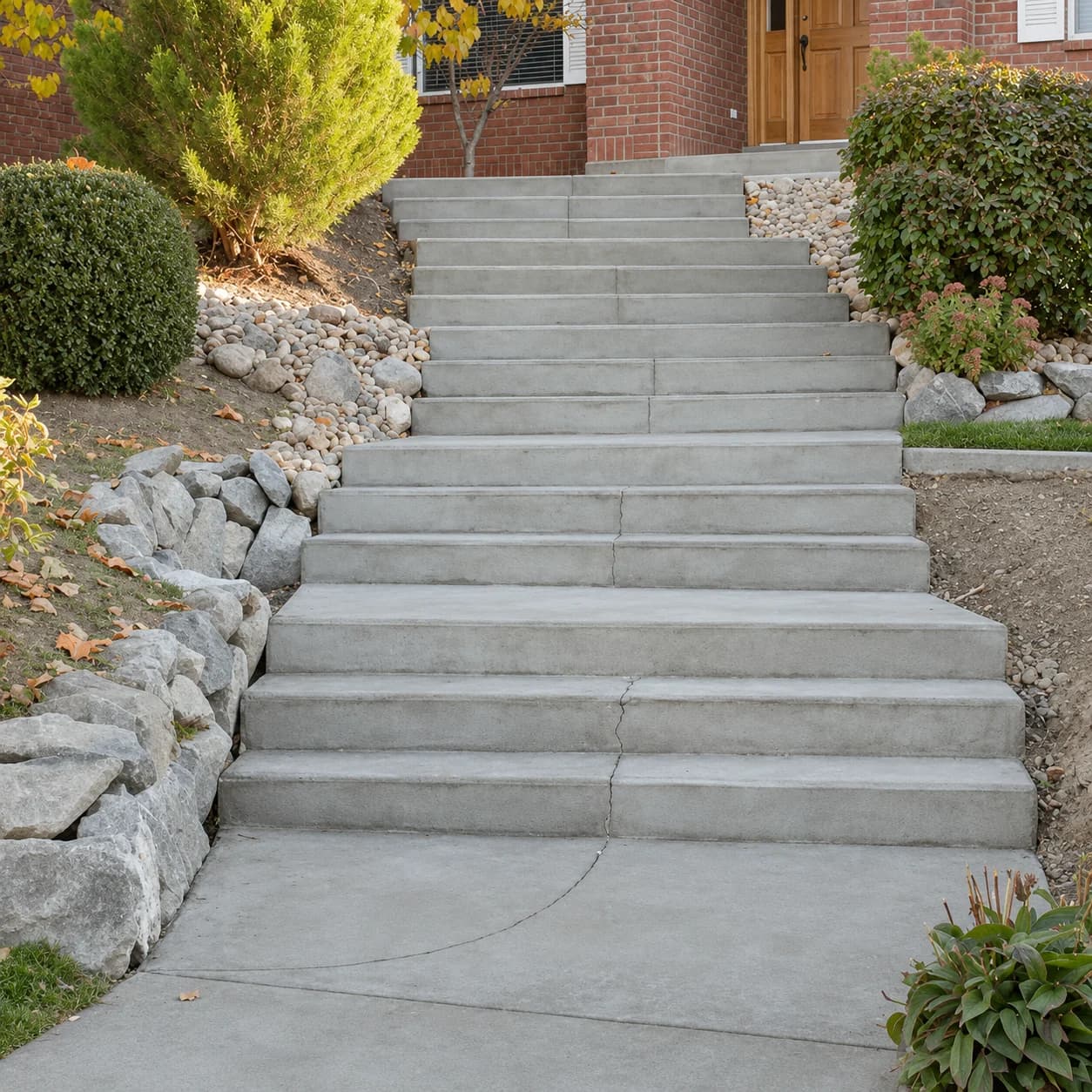
Take an overall photo of the slab or stair run, then a closer view of each concern. Note where the crack begins and ends, whether one side appears higher and whether it has changed since you first noticed it. Include the surrounding door, wall, drain or pool edge so the location is understandable.
If you have older pictures, keep them with the new ones. They can help explain a change over time. Do not grind, fill or coat an area just to make it look ready for a visit. The existing condition is useful information for the person evaluating the work.
Separate repair from a promise of no future cracks
Americrete's crack repair information acknowledges that structural cracking can have several causes and that cracks may reappear. A repair product name therefore should not be treated as a guarantee that a new decorative finish will remain unbroken.
Ask the specialist what the observed condition means for the proposal. Is the work addressing a surface defect, a previous repair or a condition requiring further evaluation? If the underlying issue falls outside decorative resurfacing, clarify who will assess it and what must happen before finish work begins.
Keep joints and transitions in the plan
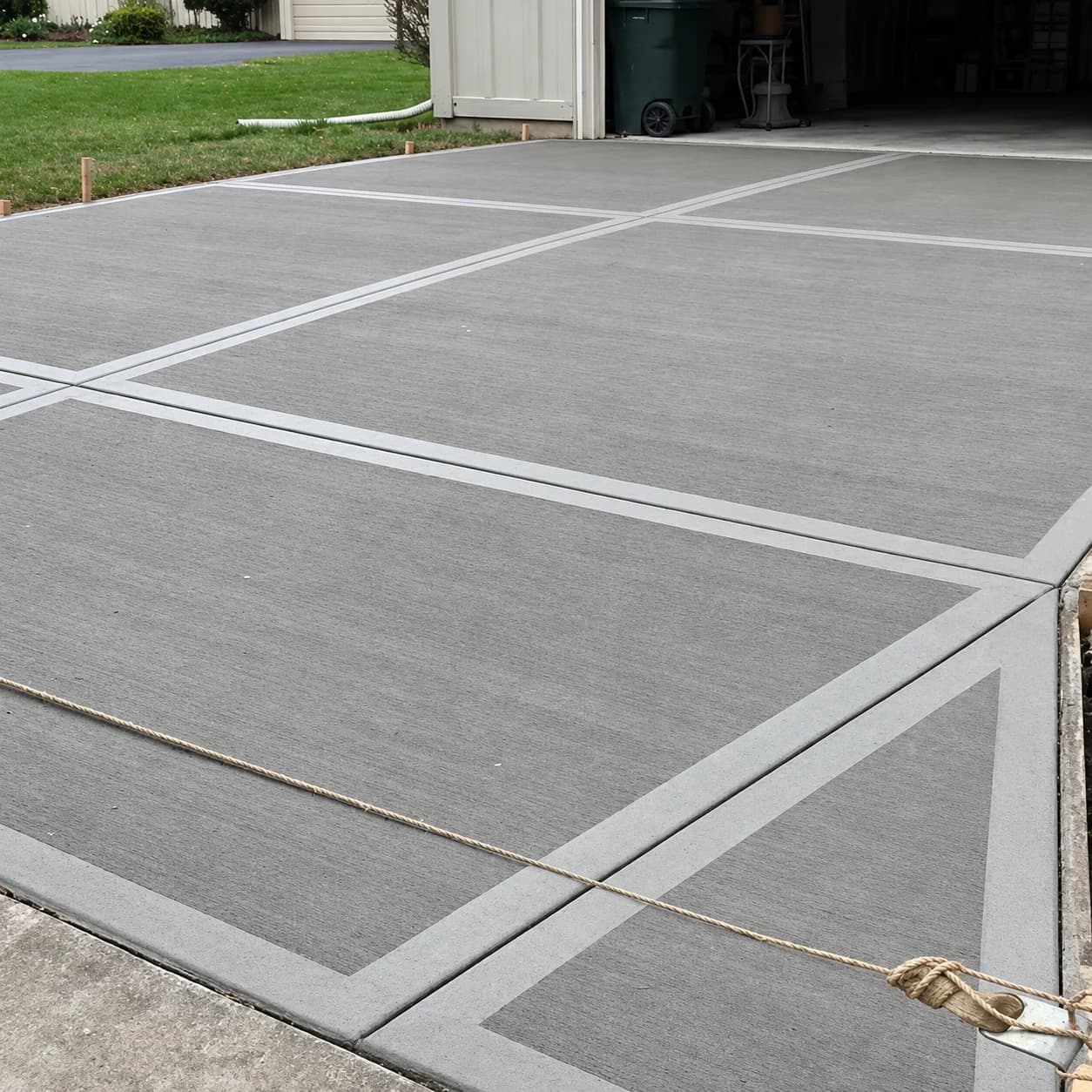
A planned joint is not simply an unwanted line to hide. Americrete's A-600 specification instructs installers to preserve expansion joints. Ask how the proposed finish will treat the joints already present and how the design will work with them.
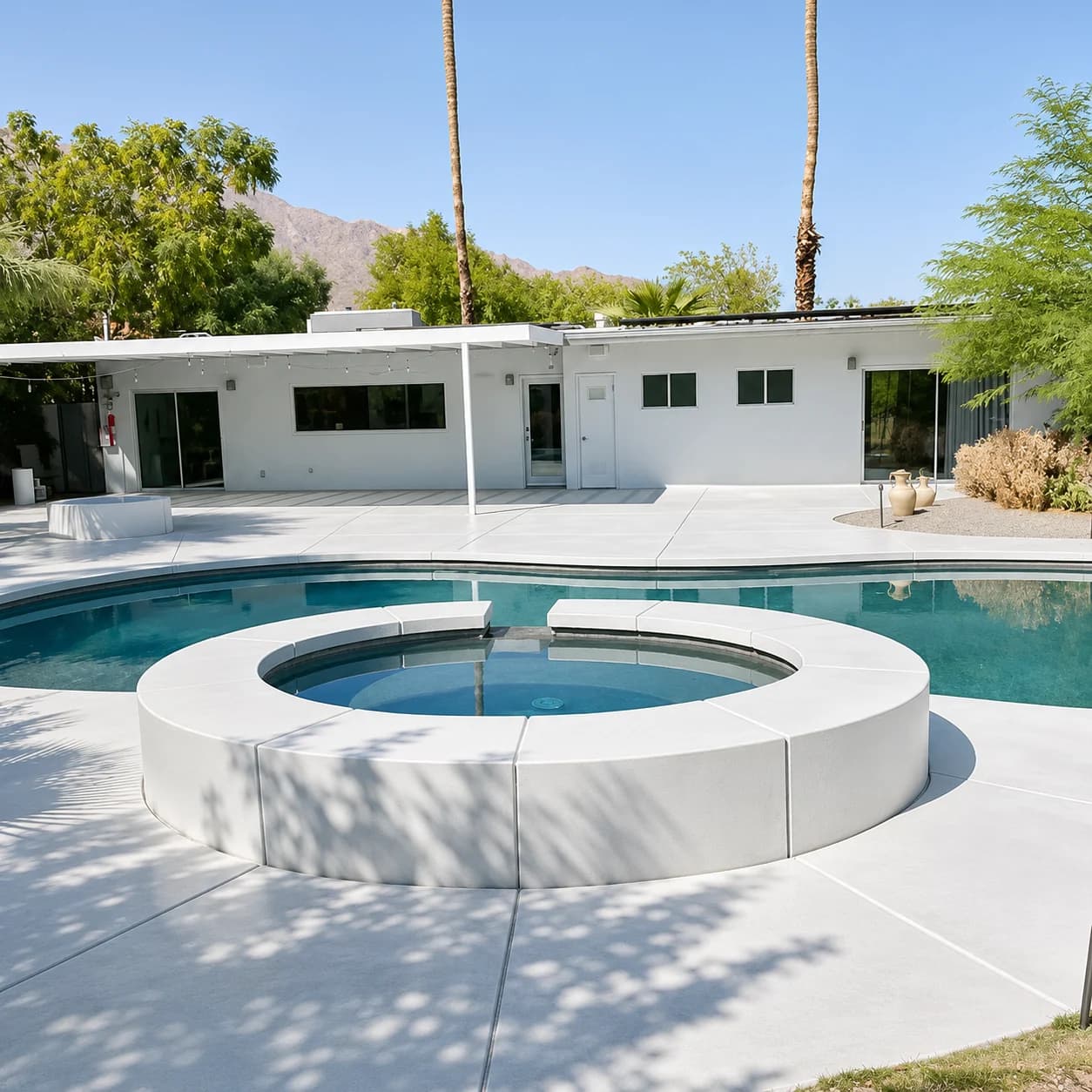
Walk the edges as well: stairs, doorways, coping and transitions to other paving deserve a clear detail. On a Cathedral City patio, that may mean several older surfaces meeting near the house. At a Joshua Tree property, it may mean an exterior route that connects separate outdoor areas. Describe the actual arrangement instead of relying on a generic deck example.
Disclose previous coatings and attempted fixes
Tell the assessor about paint, sealer, patching, grinding or other work you know has been done. Share the product container or invoice if available. If you do not know the history, say so; it is better to identify that uncertainty than to assume the surface is bare concrete.
Request a proposal that distinguishes known work from conditions that may only become clear during preparation. It should explain how additional findings will be discussed, rather than leaving the homeowner to discover a wider scope after the job has begun.
- Overall and close-up photographs
- Approximate dates and visible changes
- Any difference in level across the crack
- Previous coatings and repair records
- Water collection or adjacent movement concerns
Use the assessment to make the finish decision
Once the condition is understood, return to the design questions: which areas can be retained, what appearance is realistic and whether an overlay belongs in the solution. Keep the assessment and agreed limitations alongside the finish sample and scope of work.
JB Pools can discuss a concrete consultation for your location and priorities. Share the photos and history when requesting a review. A finished-project photograph is inspiration; it is not evidence that a different cracked slab will accept the same treatment.
Common questions
Will an overlay permanently hide cracks?
That should not be promised. Existing conditions need assessment, and movement or structural cracks can show through again even after repair.
Should all lines in the concrete be filled?
No. Joints need to be distinguished from cracks. The appropriate treatment belongs in the selected system and site-specific scope, not a blanket instruction to fill every line.
Reference: Americrete: crack repair system and limitations.
Reference: Americrete: A-600 resurfacing specification.
Ready for the next step?